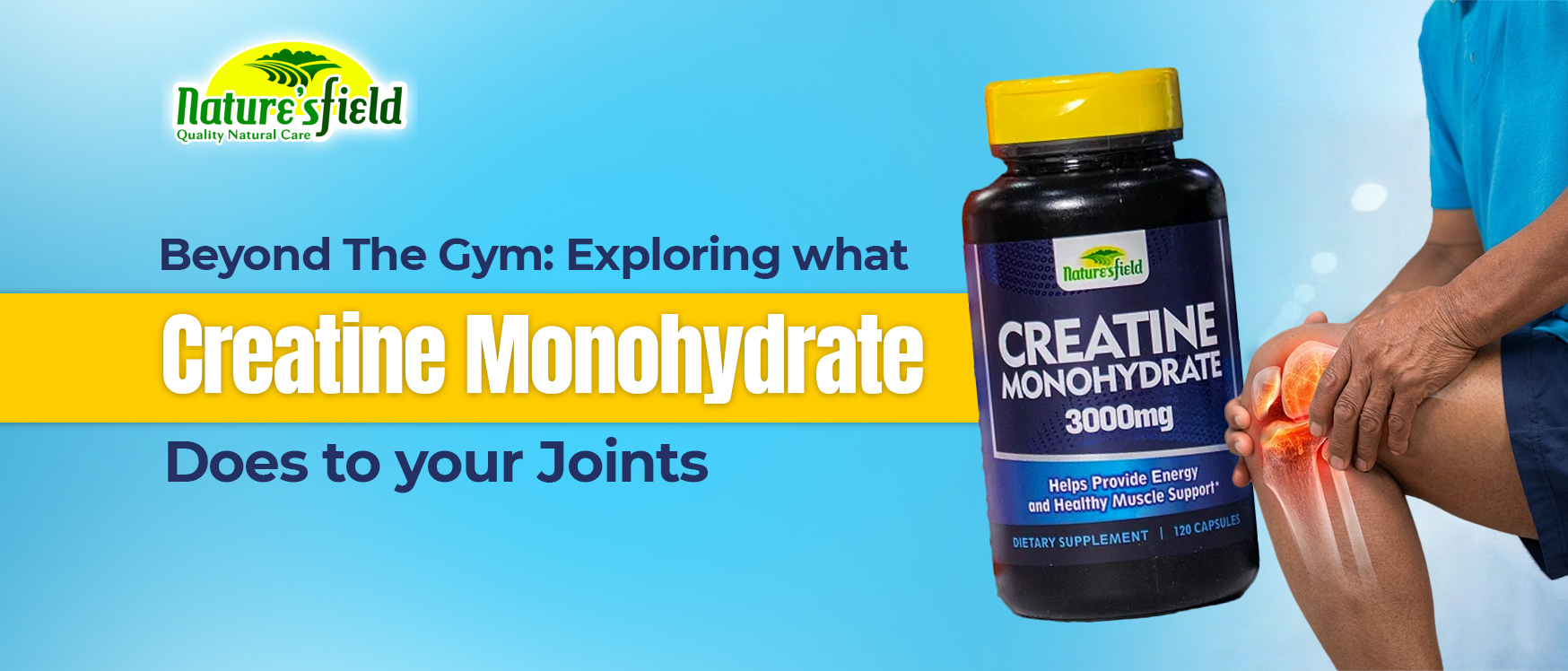
Beyond The Gym: Exploring What Creatine Monohydrate Does To Your Joints
Creatine monohydrate is commonly known as a supplement used by athletes and gym lovers to build muscle and improve strength. Because of this, many people assume its benefits stop at bigger muscles and better workout performance. However, creatine’s role in the body goes much deeper, and its effects may extend to areas many people rarely consider, such as joint health and everyday movement.
Healthy joints are essential for simple daily activities like walking, bending, lifting, and even sitting comfortably. When joints are weak or painful, movement becomes difficult and exercise feels more like a burden than a benefit. This article aims to enlighten you on what creatine monohydrate does to your joints.
What is Creatine Monohydrate?
Creatine monohydrate is a naturally occurring substance in the body, primarily in muscle tissues. It is formed from amino acids and is present in the brain, liver, kidney, and testes.
What creatine monohydrate does to your joints
-
It supports muscle strength around joints:
Joints don’t work alone. They depend heavily on the muscles surrounding them for protection, stability, and smooth movement. Creatine is stored in your muscles as phosphocreatine. It helps rapidly regenerate ATP (adenosine triphosphate), your body’s main energy source. During movements like lifting, walking, or bending, your muscles around the joints contract repeatedly. With more ATP available, muscles can contract harder and longer without fatiguing quickly.
-
It helps reduce inflammation:
Inflammation is the body’s natural response to stress, injury, or intense exercise. chronic or excessive inflammation can damage muscles, joints, and tissues. creatine possess anti-inflammatory properties. This could create a more favorable environment for your joint health and potentially slow the progression of inflammatory conditions.
-
It helps preserve lean mass with age:
As you age, the body naturally loses muscle mass and strength, a process called sarcopenia. his muscle loss leads to weakness, reduced mobility, joint stress, and a higher risk of falls. Creatine monohydrate helps slow this process by supporting muscle energy, strength, and repair at multiple levels.
-
It improving physical function:
Physical function refers to your ability to perform everyday movements efficiently like walking, lifting, climbing stairs, maintaining balance, reacting quickly, and moving without pain or fatigue. Creatine monohydrate improves physical function by enhancing energy availability, muscle strength, neuromuscular control, and recovery.
How You Increase Creatine Monohydrate Levels in Your Body
Beyond gym, creatine plays a significant role in the health of your joint. However, to maximize the benefits of creatine monohydrate, you need to incorporate a diet rich in creatine-boosting foods, such as red meat, fish, eggs, etc. And also, you can add food that is rich in beta-alanine like turkey, chicken etc., to enhance creatine absorption.
Additionally, for an extra boost and to fill a nutritional gap, consider supplementing with a high-quality creatine monohydrate product, like NATURE’SFIELD CREATINE MONOHYDRATE. This can help improve your overall muscle health, exercise performance, and recovery.