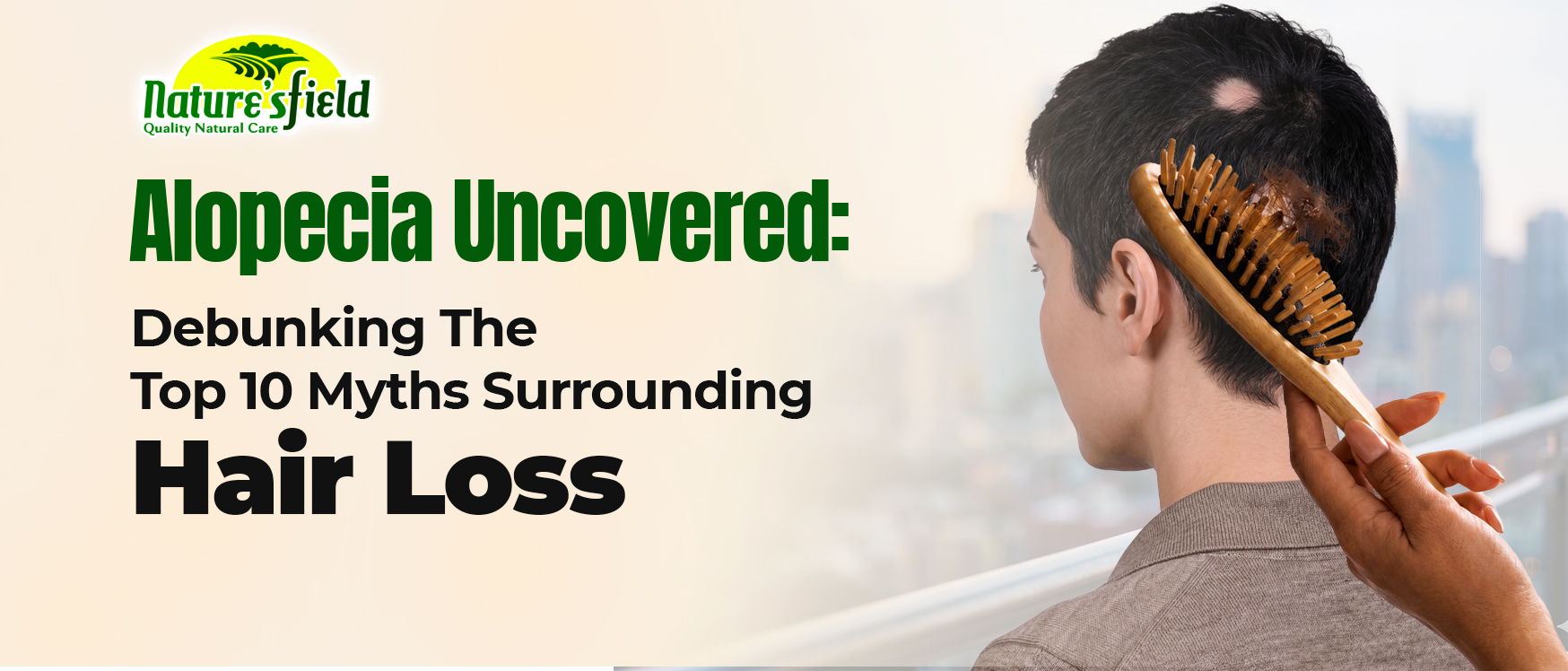
Alopecia Uncovered: Debunking The Top 10 Myths Surrounding Hair Loss
ways yHair loss, also called alopecia, is something that affects many people around the world. It can happen to men, women, and even children, and for many, it’s more than just a change in appearance, it can also affect how they feel about themselves.
Unfortunately, there are a lot of myths and misunderstandings about hair loss. Some people think it only happens to men, or that wearing hats or washing your hair too often can make it worse. These beliefs can cause confusion, make people feel ashamed, or stop them from getting the right help.
The truth is that hair loss can be caused by many different things, like genetics, stress, illness, or changes in hormones. Some types are temporary and can be treated, while others are more permanent. However, let’s look at the10 most common myths about hair loss and explain the facts in simple terms. Understanding what’s true and what’s not can help you take better care of your hair, support others going through it, and feel more confident in the process.
Myth 1: Hair grows faster if you cut it.
Fact: Having haircuts have nothing to do with how fast or thick your hair grows. This is because hair growth occurs from the hair follicles beneath the scalp, and cutting the hair does not affect the hair follicles’ ability to grow new hair.
Myth 2: Hair loss is only a problem for older people.
Fact: It is true that hair loss is more common as we get older. Younger people can also experience hair loss due to various reasons like medical conditions, stress, and even certain hairstyles.
Myth 3: Only men experience hair Loss.
Fact: When we think of hair loss, it’s usually men that come to mind. Women can and do suffer from hair loss. This is due to factors such as hormonal changes, genetics, or medical conditions.
Myth 4: Wearing hats causes baldness.
Fact: Hats do not cause hair loss. The assumption here is that the scalp needs to breathe and that wearing hats can stifle that. Not true. Whatever oxygen your hair follicles need for growth is derived from the bloodstream, not the surrounding air.
Myth 5: Washing your hair too much makes it fall out.
Fact: Frequent washing does not cause hair loss. But seeing hair in the drain can be misleading. We naturally shed 50–100 hairs a day. Hair that’s already shed gets dislodged during washing, but the act of washing isn’t the cause.
Myth 6: Hair loss comes from the mother’s side.
Fact: Genetics play a role, but both maternal and paternal genes can contribute to hereditary hair loss.
Myth 7: Stress alone causes baldness.
Fact: While stress can trigger temporary hair loss (like telogen effluvium), it’s usually not the sole cause. Genetics, hormones, and health conditions often play a bigger role.
Myth 8: Hair products cause hair loss.
Fact: Whether you’re using gel for a slick back bun or hair spray to hold your curls, you might have heard rumors that hair products can cause hair loss. However, the truth is that products like shampoos, conditioners, gels, and hair sprays are generally safe for our hair and won’t cause hair loss when used as directed.
Myth 9: Don’t brush your hair when it’s wet or it will fall out.
Fact: Regular washing helps keep the scalp clean and healthy. It doesn’t cause hair to fall out but though aggressive scrubbing might damage follicles over time.
Myth 10: Hair loss is permanent.
Fact: Hair loss can really affect your self-esteem and confidence, but the good news is that it’s not always permanent. While some types of hair loss may be irreversible, others are treatable or temporary, depending on the underlying cause.
HOW TO PREVENT HAIR LOSS
Hair loss can be caused by genetics, stress, hormones, poor nutrition, and certain medical conditions. Here are ways it can be prevented:
- Maintain a healthy diet: Your hair reflects your overall health. A nutrient-rich diet supports strong, healthy hair such as eggs, nuts, leafy green, seeds, berries etc.
- Be gentle with your hair: Rough handling your hair can cause breakage and traction alopecia. Avoid tight hairstyles (like braids, ponytails, or buns), don’t brush wet hair aggressively, and use a wide-tooth comb or your fingers to detangle.
- Use of biotin supplement: Adding biotin to your supplement routine is another great way to prevent hair loss. NATURE’SFIELD BIOTIN provides a perfect opportunity to add purely sourced biotin that can prevent hair loss.
Hair loss can be tough but understanding the truth behind it makes a big difference. Don’t fall for common myths, many types of hair loss are treatable, and some are even temporary.
Taking care of your overall health plays a big role in keeping your hair strong. One important nutrient is biotin such as NATURE’SFIELD BIOTIN that helps your body make keratin and the protein your hair is made of. While biotin won’t fix all types of hair loss, it can support healthy hair growth especially if you’re not getting enough from your diet.