Fasting or Eating Before Exercise: Which Is Better for Your Fitness Goals?
You’ve probably heard of the popular nutritional advice: “Breakfast is the most important meal of the day.” However, intermittent fasting is becoming increasingly popular due to its significant role in weight management and fat burning. The question of whether to eat or not before your workout session is somewhat confusing and triggers conflicting opinions.
The background aim of maximizing your workout session is to have realistic and attainable goals. Therefore, to ensure significant results, relevant information about diet is paramount. This is because dietary modification has a more profound impact on your fitness goals. In this piece, we’ve carefully explored the benefits of eating before and after exercise and evaluate which one is better for your fitness goals.
Benefits of Fasting Before Exercise
The idea of fasting before exercise is a well-known strategy among fitness enthusiasts and athletes and for good reasons. These include;
- Ideal for fat burning: When you are exercising on an empty stomach, you’re accelerating the glycogen depletion process. Depleting your glycogen levels enables your body to look for an alternative which is to burn fat as fuel.
- Boosts levels of growth hormone: increased levels of growth hormones help you to build muscles and improve your strength with time
- Can help speed up Autophagy: Autophagy is a complex process by which your cells break down damaged cells and regenerate new ones. It is a cellular mechanism that is attained when you fast for 20 hours and above in a day.
Benefits of Eating Before Exercise
On the other hand, eating before exercise is also beneficial to the body. These benefits include;
- Improves energy and endurance during exercise: This is particularly vital if you are doing moderate to high-intensity exercise routines.
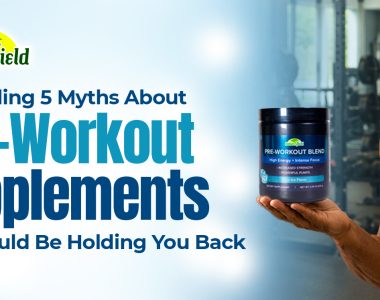
- Prepares your body for faster recovery: This is solely dependent on what you eat before a workout session. The use of pre-workout supplements is recommended as they boost muscle recovery and reduce the risk of injuries.
- Stabilizes blood sugar levels
Which Is Better for You?
Before determining whether eating or fasting is recommended before your workout session, it is essential to determine the type of exercise you do. Generally, body metabolism differs, so, the way your body burns fat is different from someone else. This depends on the type of exercise regimen done regularly. For instance, people doing cardio or high-intensity exercise takes a lot more energy out of them. Therefore, they need adequate fuel at least 30 minutes to 1 hour before doing such energy-intensive exercises.
Also, if you feel sluggish while exercising after eating, this means that you are not fueling properly with the right type of foods before your workout. Generally, when it comes to which is better between fasting and eating before exercise, there is no simple answer. However, it all comes down to a neuropeptide that is responsible for sex hormones and reproductive function called kisspeptin.
Kisspeptin plays a role in maintaining appetite and regulating body composition and is more sensitive in women than men. Intermittent fasting disrupts kisspeptin production which increases appetite and reduces sensitivity to insulin. This is why intermittent fasting can cause more harm than good depending on the phase of the menstrual cycle and metabolism. Finally, the key is to find what works best for you in a sustainable manner and put other factors into consideration. These factors include; dietary habits, type of exercise, sex, and the rate of your body metabolism.
How to Improve Your Fitness Goals
It is vital to set realistic and achievable fitness goals without going the extreme lengths. Thus, here are some strategies to improve your fitness goals;
- Develop healthier eating habits.
- Incorporate a pre-workout supplement: You can go for NATURE’SFIELD PRE-WORKOUT BLEND which contains beta alanine, creatine monohydrate, etc. These constituents boost stamina, performance, and muscle recovery after your workout.Finally, if you’re going to fast and then work out, you should have a specific reason for doing so in mind and be aware of how your workout style might impact your body and your recovery on an empty stomach. Not all workouts have the same effects, so it depends on the demands placed on your body.Although exercise is great for everyone, the worst thing you can do for your body is to push it beyond its physical limit without adequate support. This could have both short-term and long-term consequences on your body. Therefore, maximize your workout session by incorporating NATURE’SFIELD PRE WORKOUT BLEND and NATURE’SFIELD POST WORKOUT BLEND to get the best out of your efforts in the gym and even beyond.