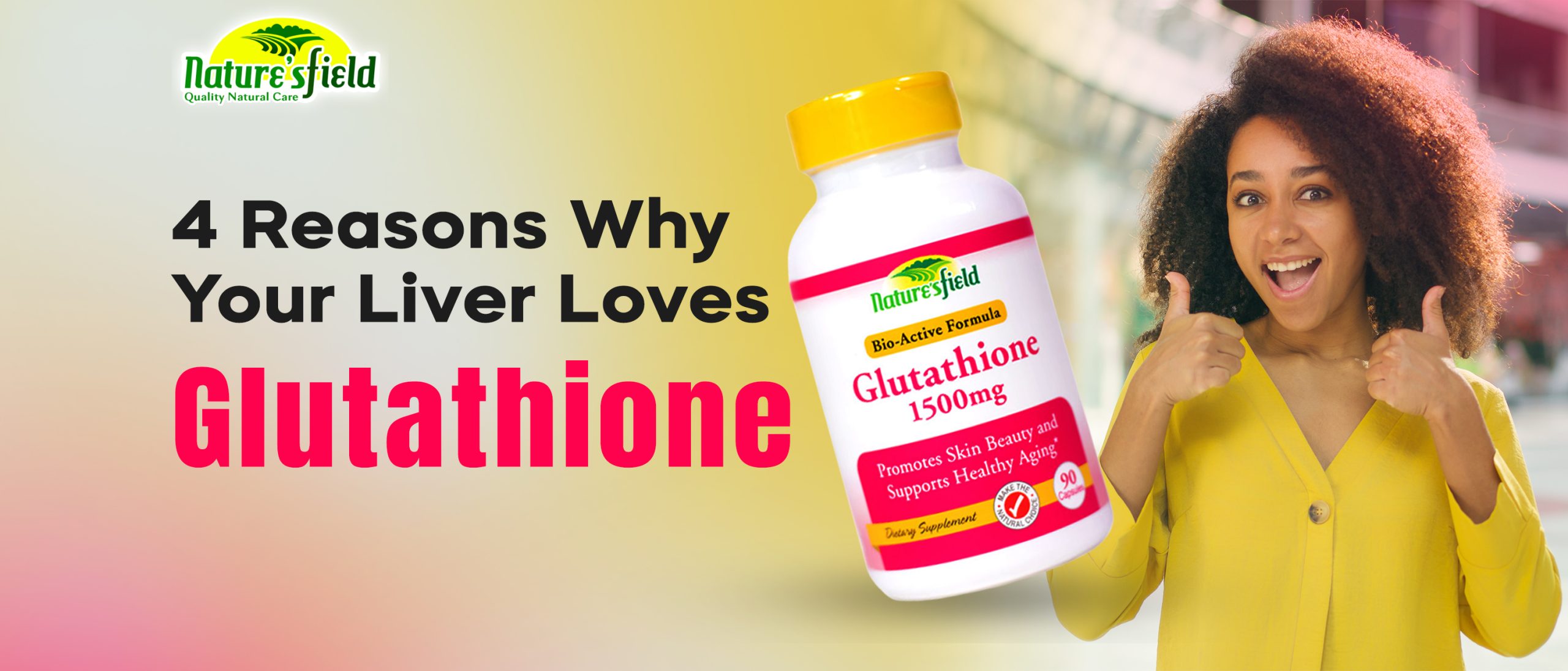
4 Reasons Why Your Liver Loves Glutathione
What is Glutathione?
Glutathione acts as a powerhouse antioxidant that often faces constraints in terms of its functions in the body. It forms a tripeptide made up of three amino acids: glutamine, cysteine, and glycine. These amino acids work synergistically to neutralize the harmful free radicals in the body and prevent them from causing damage.
Unfortunately, daily living can drain your glutathione storage. Chronic consumption of alcohol significantly depletes glutathione levels. This increases oxidative stress and causes damage, which your liver has to handle. Medications such as acetaminophen also contribute to the vicious cycle of glutathione depletion followed by natural aging, which is beyond your control. Therefore, you can boost glutathione production in your body by consuming foods like avocados, citrus fruits, garlic and onions, bell peppers, etc.
Why Does Your Liver Love Glutathione?
-
Potent Antioxidant Protection and Detoxification:
Glutathione is critical for liver detoxification as it neutralizes free radicals and reduces oxidative damage. This is exceptionally beneficial in chronic conditions like Non Alcoholic Fatty Liver Disease (NAFLD). This antioxidant action helps reduce harmful compounds in liver cells, which facilitates the removal of toxins and supports the regeneration of tissues.
-
Reduces liver inflammation:
Alanine Aminotransferase (ALT) is a type of enzyme in the liver that is released into the blood when the liver cells are damaged. Thus, high ALT levels indicate liver inflammation or disease. Glutathione decreases ALT levels, which implies that it reduces inflammation in the liver.
-
Potent role in bile excretion:
Glutathione makes the toxins your body produces water-soluble, which helps your liver package waste products into bile. You can think of bile as your liver’s waste collection vehicle. Glutathione makes sure that the toxins or trash are properly packaged in the bile and then removed through your digestive system.
-
Lipid metabolism and management of oxidative stress:
Glutathione assists the liver in the metabolism of lipids by reducing the levels of triglycerides and free fatty acids. These are associated with inducing liver stress and inflammation. Therefore, lowering lipid levels improves liver function, supports cardiovascular health, and reduces the unhealthy amount of lipids in the blood.