No products in the cart.
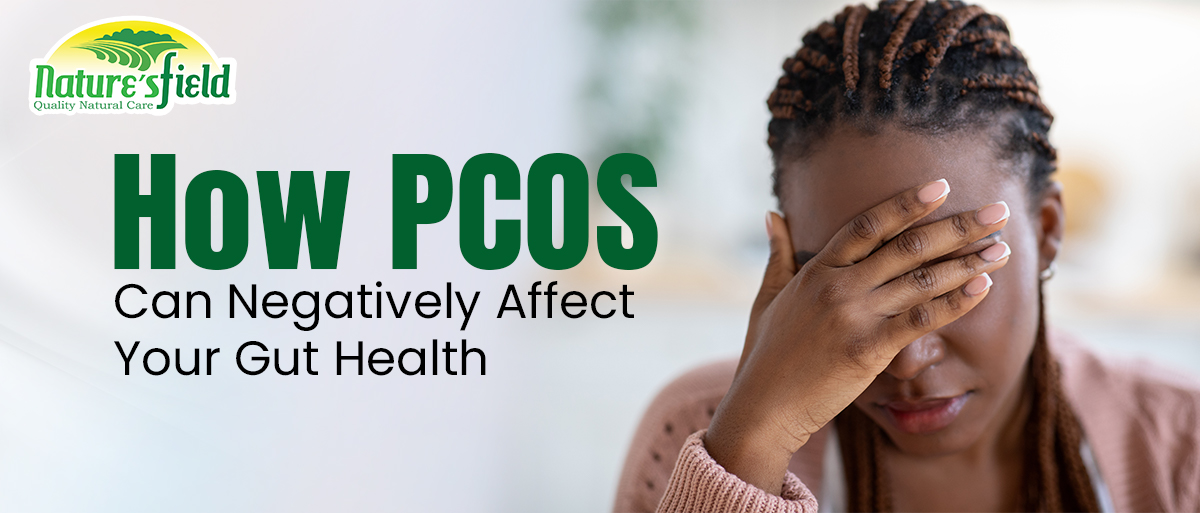
How PCOS Can Negatively Affect Your Gut Health
Never underestimate the power of your gut since it is referred to as your second brain for a good reason. It plays a role in the health of your brain, bones, joints, kidneys, etc. These benefits are attributed to the diverse range of organisms that reside there and perform different functions to maintain order and harmony in your body. We will discuss how PCOS can affect your gut health.
However, health conditions such as polycystic ovarian syndrome (PCOS) can affect your gut health, further compounding the problem if not managed. Therefore, in this post, you will understand how PCOS can affect your gut health and how you can control the symptoms of this condition.
Overview of PCOS
PCOS is a pattern of symptoms that occur due to the presence of multiple cysts in the ovaries. As the name implies, the ovaries are the organs that are affected by PCOS. It is the reproductive organ through which the hormones estrogen and progesterone are synthesized and ultimately menstrual cycle is regulated. The ovaries also produce a small amount of the male hormone androgen.
However, in PCOS, there are elevated levels of luteinizing hormone compared to the follicle-stimulating hormone. Consequently, this leads to the increased production of testosterone by the ovaries. This is why people who suffer from PCOS have excessive facial hair growth and acne.
The hallmark features of PCOS are the excessive production of male hormones and the presence of multiple cysts in the ovaries. However, other common features in women with PCOS include;
- Hirsutism
- irregular or missing periods
- heavy periods
- Acne, oily skin, and other skin-related problems
- Hair loss and hair thinning from the scalp
- Insulin resistance
- Fertility problems and weight issues
How PCOS Disrupts Your Gut Health
Your gut accommodates a diverse group of microbes (such as bacteria, viruses, and fungi) that perform various functions in the body. These functions include digestion, immunity, nerve and bone health, etc. However, PCOS which is associated with hormonal imbalance can disrupt the health of your gut in various ways;
- Altering the composition of your gut microbiome: Any disruption of the delicate balance of the beneficial and harmful organisms in your gut can compromise gut barrier function. This can increase the risk of developing digestive problems such as leaky gut syndrome.
- Changes in the levels of metabolites: A variety of bioactive substances are produced by your gut microbiome which perform different functions in your body. These are called short-chain fatty acids (SCFAs). Thus, PCOS can halt the production of these metabolites by altering the composition of the gut microbiome. Consequently, reduced levels of SCFAs contribute to lipid metabolic abnormalities in people with PCOS. This worsens insulin resistance and promotes chronic inflammation.
- Affects the metabolism of bile acid: Bile acids are steroid compounds derived from cholesterol and play a role in the absorption and digestion of lipids. Under normal circumstances, the gut microbiome converts primary bile acids to secondary bile acids which influences the secretion of insulin and promotes insulin sensitivity. An imbalance in the gut microbiome ultimately affects this process. This can cause high levels of lipids and insulin resistance and worsen PCOS.
Gut-Related Symptoms in PCOS
PCOS can cause the following gut-related symptoms;
- Bloating
- Leaky gut syndrome
- Abdominal pain
- Diarrhea
- Tenesmus
How to Improve the Symptoms of PCOS
PCOS consists of a variety of symptoms that can affect digestive and reproductive health. Therefore, improving your diet by including gut-friendly foods will help reduce the aforementioned digestive issues. Also, you can improve the symptoms of PCOS in the following ways;
- Adoption of healthy habits: This includes consuming healthier foods, incorporating a regular exercise regimen, and avoiding smoking and alcohol intake
- Fix your insulin resistance: You can do this by using insulin-sensitizing constituents contained in NATURE’SFIELD MYO INOSITOL POWDER in the appropriate ratio needed by the body. Insulin resistance is the foundation that plays a role in the onset of other PCOS symptoms such as high levels of androgen, acne, and excessive hair growth in the body.
Although there is no proven way to prevent PCOS, lifestyle factors play an essential role in reducing the symptoms. Maintaining a healthy weight and including more fruits and vegetables in your diet will help improve insulin sensitivity and reduce the risk of metabolic syndrome. However, as PCOS can have a significant impact on your fertility, using NATURE’SFIELD MYO INOSITOL POWDER will help improve your ovarian function and safeguard your reproductive health.